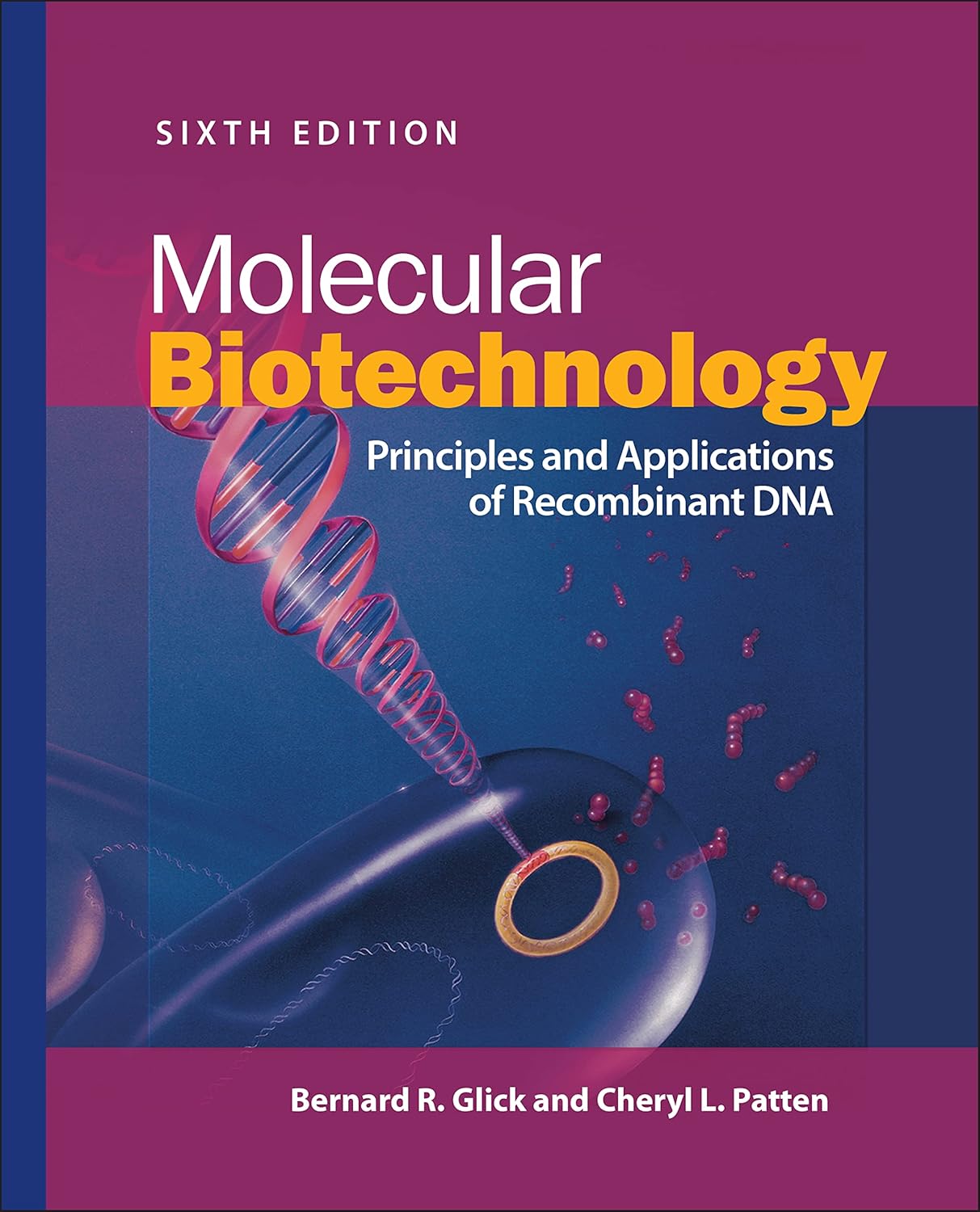
Molecular Biotechnology
Molecular Biotechnology
Principles and Applications of Recombinant DNA 6th Edition
Guaranteed Safe Checkout
Couldn't load pickup availability
-
Ordered

- - -
Order Ready

- - -
Delivered

Molecular Biotechnology
-

I Use It For Teaching.
Undergraduate Course, Career In Molecular
Biology And
Biotechnology Elective Course -

This book is an outstanding resource—clear, comprehensive, and incredibly well-structured. It presents complex biotechnology concepts in a way that is both accessible and engaging. The illustrations and explanations work together perfectly, making it easier to visualize and understand modern molecular techniques. Whether you’re a student, researcher, or simply curious about biotechnology, this book offers exceptional value and depth. Highly recommended!


Extra Features
Extra Features
- Premium Quality
- Secure Payments
- Satisfaction Guarantee
- Money Back Guarantee
Description
Description
Overview
This textbook offers a comprehensive introduction to the field of molecular biotechnology—particularly the science and applications of recombinant DNA (“rDNA”) technology. It is designed for upper-level undergraduate and graduate students, and for individuals seeking a thorough foundation in how molecular biology, genetic engineering and biotechnology inter-connect.
Key Features
-
The text covers fundamentals such as the nature of DNA, RNA and protein synthesis, gene cloning and expression, recombinant DNA tools, gene editing and sequencing.
-
It also explores applications of molecular biotechnology: production of recombinant proteins, molecular diagnostics, therapeutic agents (including vaccines and nucleic-acid therapeutics), agricultural and environmental biotechnology (e.g., transgenic plants/animals, bioremediation).
-
The book emphasizes up-to-date techniques, industrial/medical/agrarian applications, and addresses societal/regulatory issues associated with biotechnology.
-
It’s written in a clear, jargon-reduced style and uses extensive figures to aid comprehension of complex biological systems and methods.

Why it’s useful
-
Because biotechnology evolves rapidly, this book is valuable for staying current with key developments in genetic engineering, gene therapeutics, plant/animal biotechnology, and the commercialization of molecular tools.
-
It functions not just as a theoretical text, but also connects to real‐world biotechnology workflows and applications, making it useful for those intending to work in research, industry or applied fields.
-
For students or professionals entering molecular biology or biotech fields, it provides a structured foundation: from understanding molecular mechanisms, to learning how those mechanisms are manipulated and applied.
Structure in Brief
Although editions vary, typical content includes:
-
Part I: Fundamentals of Molecular Biotechnology (history, DNA/RNA/protein synthesis, recombinant DNA tools)
-
Further chapters: gene cloning and expression, production of recombinant proteins, diagnostics, therapeutics, vaccines, industrial/plant/animal biotechnology, large‐scale production and commercialization, biotechnology in society.
-
End sections: regulatory, pat
enting, ethical/societal issues in biotech.

Audience
-
Undergraduate or graduate students in biotechnology, molecular biology, genetic engineering or related life sciences.
-
Researchers or professionals in biotech / pharmaceutical / agricultural industries who need a broad refresher.
-
Instructors looking for a core textbook for courses in biotechnology and recombinant DNA.
-
Readers with solid biology background who want to delve into the applied molecular biotech world.
Potential Limitations
-
Because the field moves fast, depending on the edition, some of the most recent breakthroughs (e.g., CRISPR-Cas9, next-generation gene editing, synthetic biology advances) may not be covered in full depth if the edition is older.
-
The focus is broad, so for highly specialized topics (e.g., single‐cell genomics, advanced synthetic biology, bioinformatics pipelines) you may need complementary texts.